Production Notes
Pre-Production
The source material is a 19th century British horror short story, originally titled The Monkey’s Paw, which I discovered while reading a collection of old horror fiction.
"The Monkey's Paw" is a famous 1902 British horror short story by W. W. Jacobs, published in Harper's Monthly and The Lady of the Barge. It tells of the White family, who receive a mummified paw that grants three wishes, but its magic brings devastating consequences, focusing on themes of fate, greed, and the supernatural.
I knew immediately that the story was cinematic, but it also needed to be fundamentally reimagined. The original is deeply misogynistic and speaks to no contemporary audience, so the work was in honoring what was genuinely chilling about it while updating everything else. The script came out with relative ease.
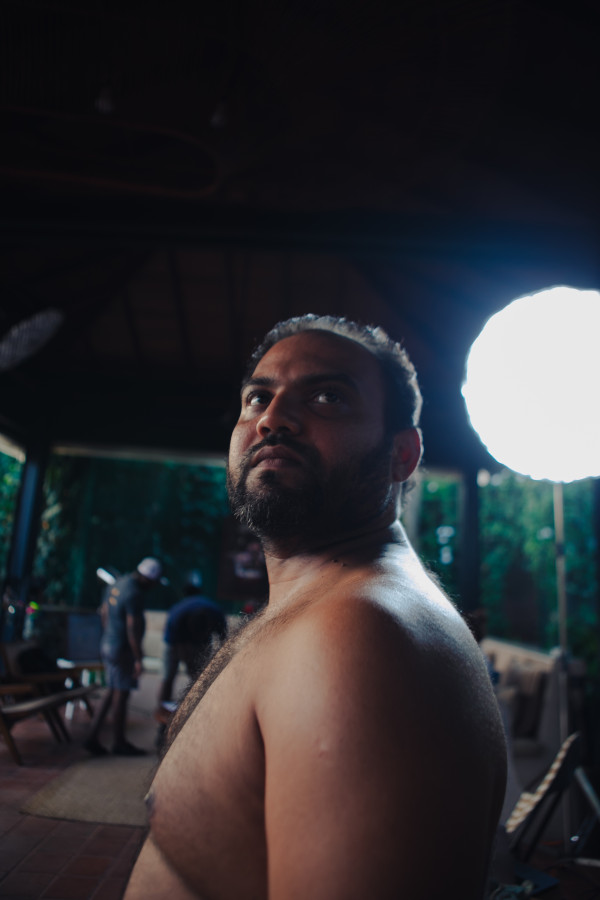
I initially developed the project as an application to the Netflix short film contest, which requires a full pitch deck, a detailed budget, a visual strategy, and a refined script. I put serious work into it and did not get in. At the time I was living in Colombo, Sri Lanka, and when I started asking around, I discovered that shooting the film the way I had actually imagined it was financially possible because of the strength of the dollar. I found a production company, crewed up, found a cinematographer whose work I responded to strongly, and he helped me navigate casting. The auditions were a highlight. That is how I found Steven, whose read broke my heart open. He was extraordinary. The location looked like a million dollar property and cost $150 a day.
One notable creative constraint: the original story opens with the family acquiring the paw and learning its rules, a section I loved and had in early drafts. Shooting it would have been too costly, so what remained was a two-line prologue. In the final film, all of the necessary setup happens in about 90 seconds.
Link to pitch deck
Production
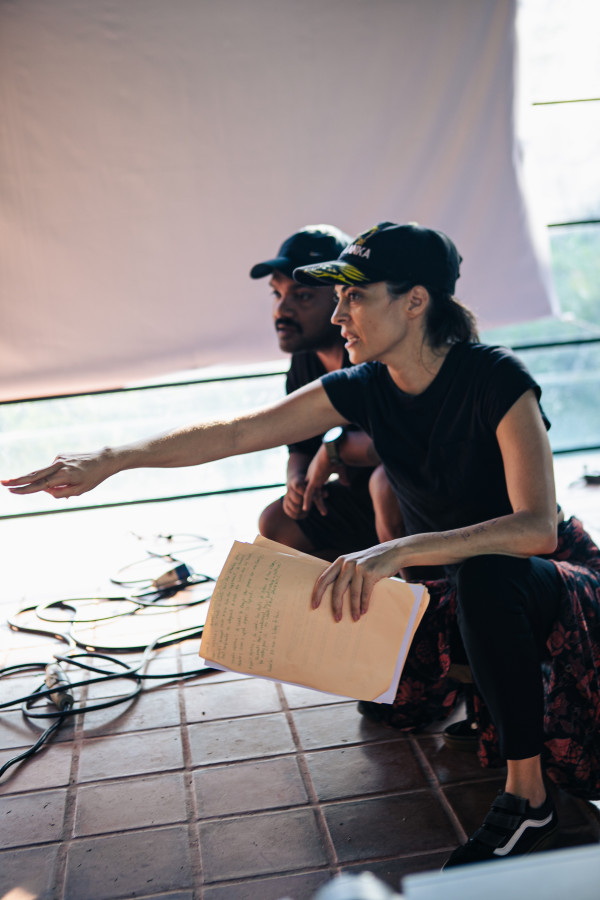
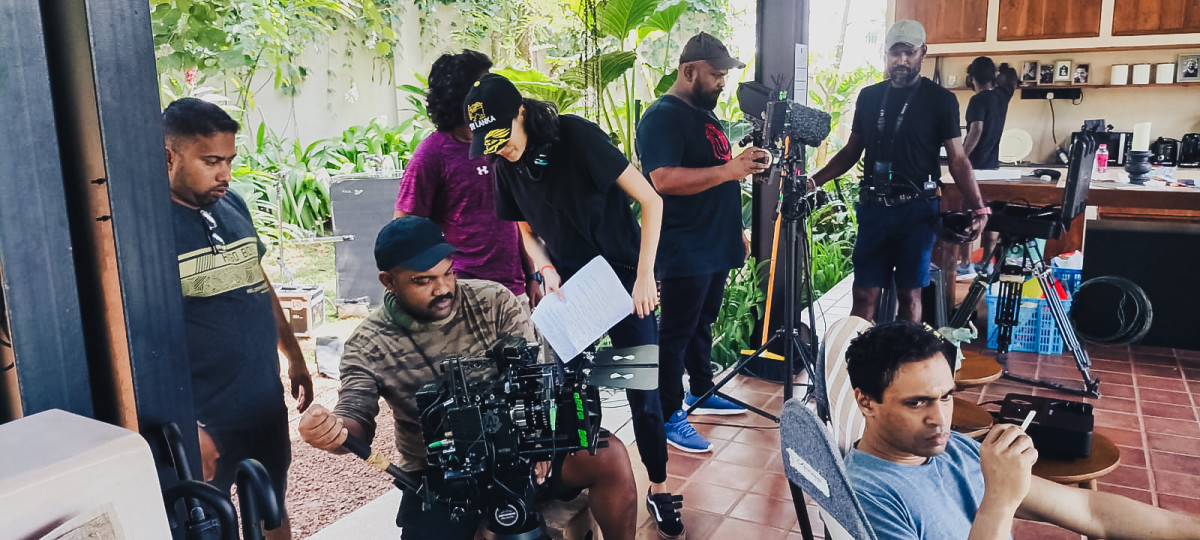
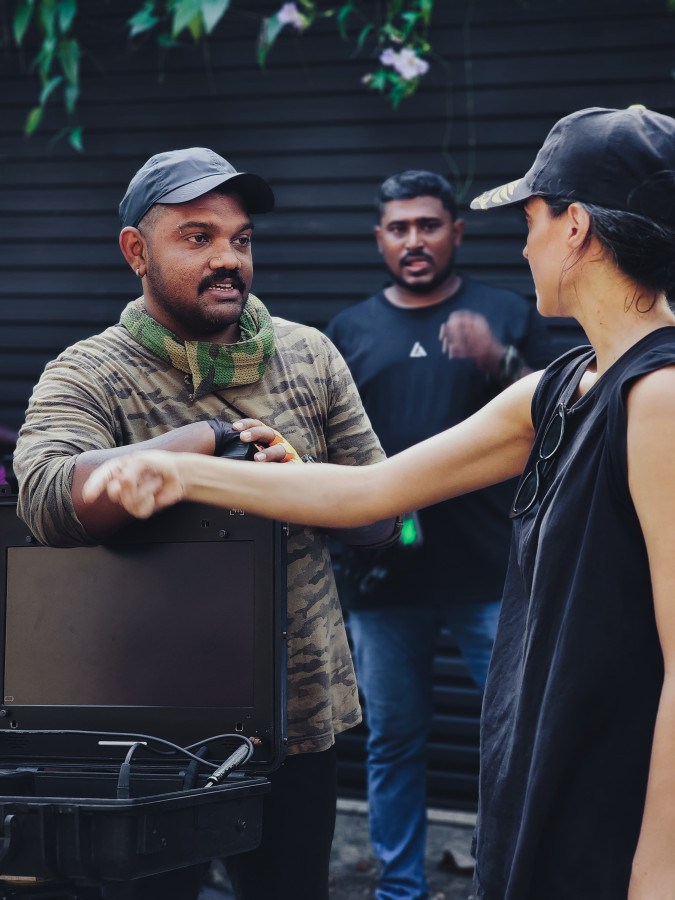
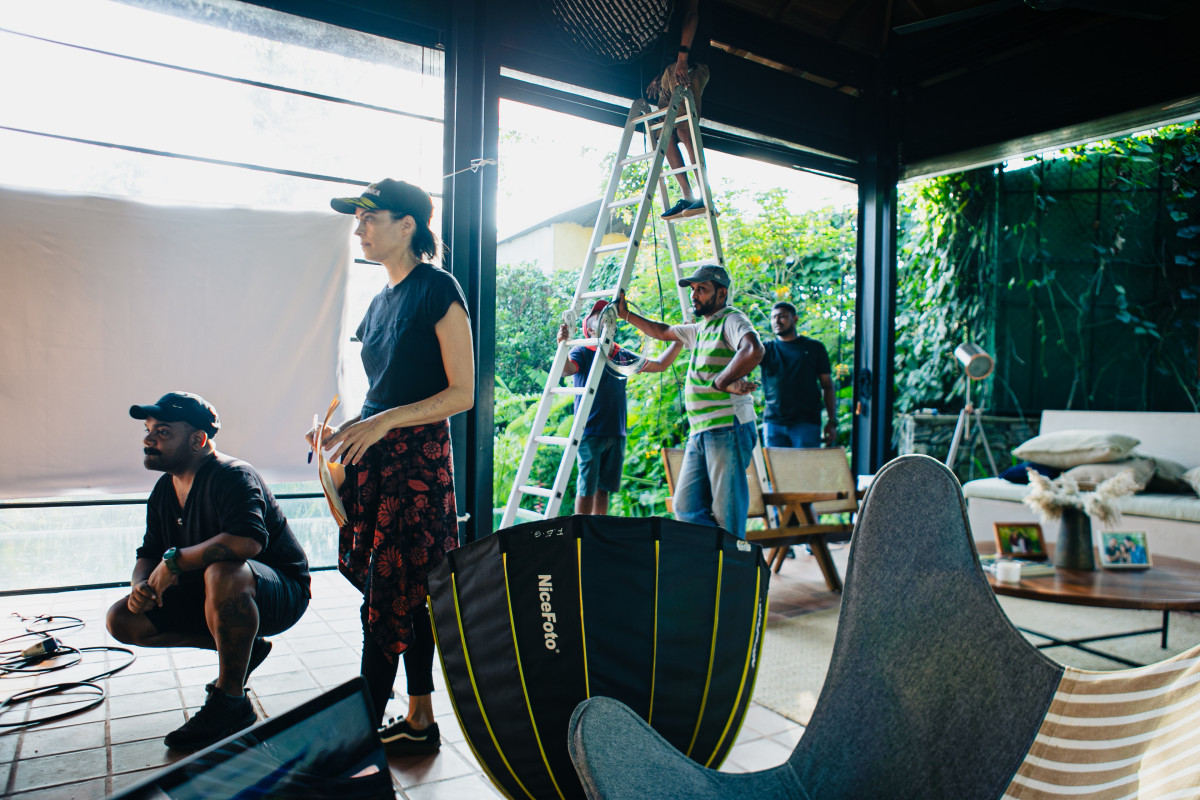
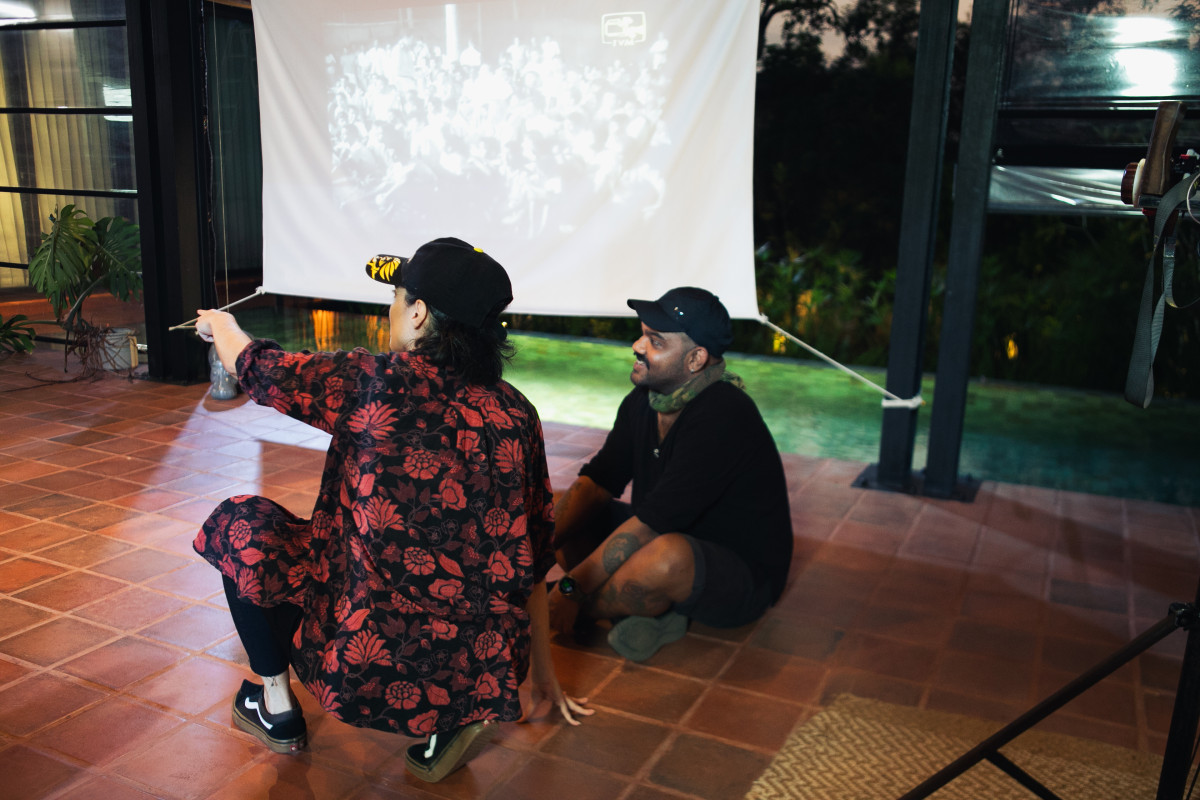
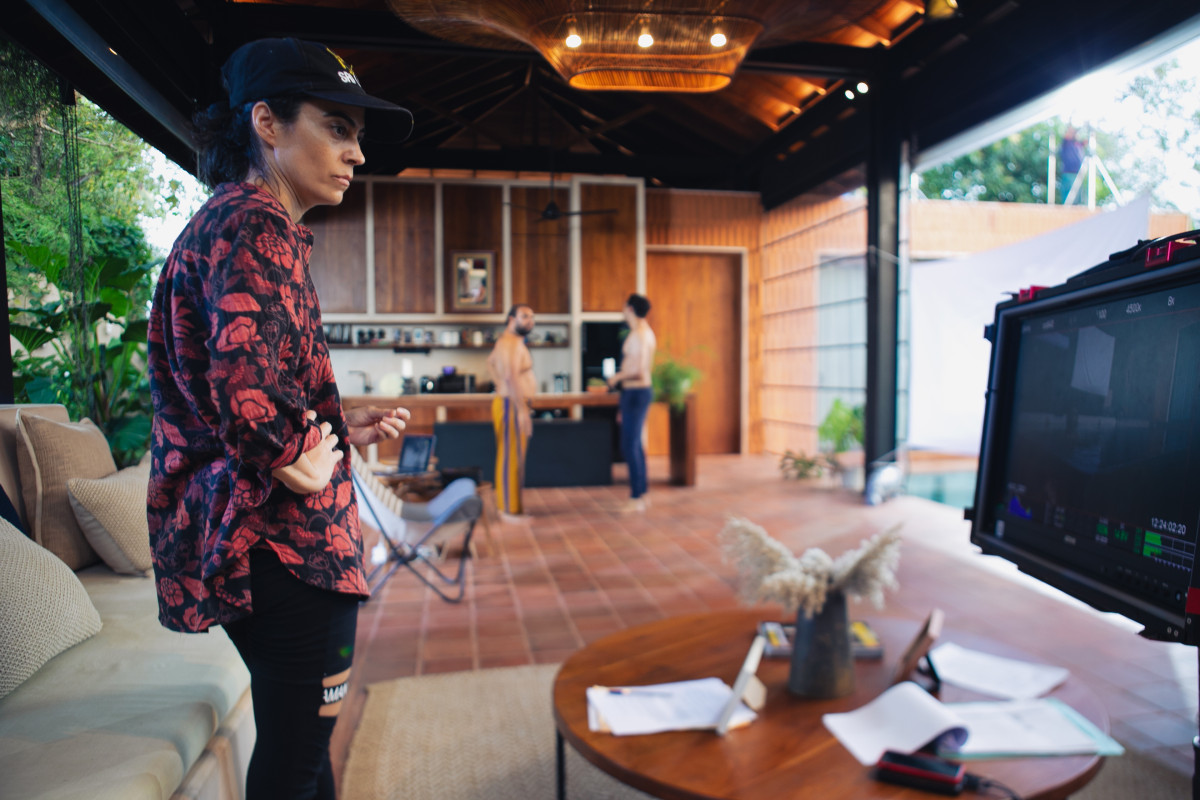
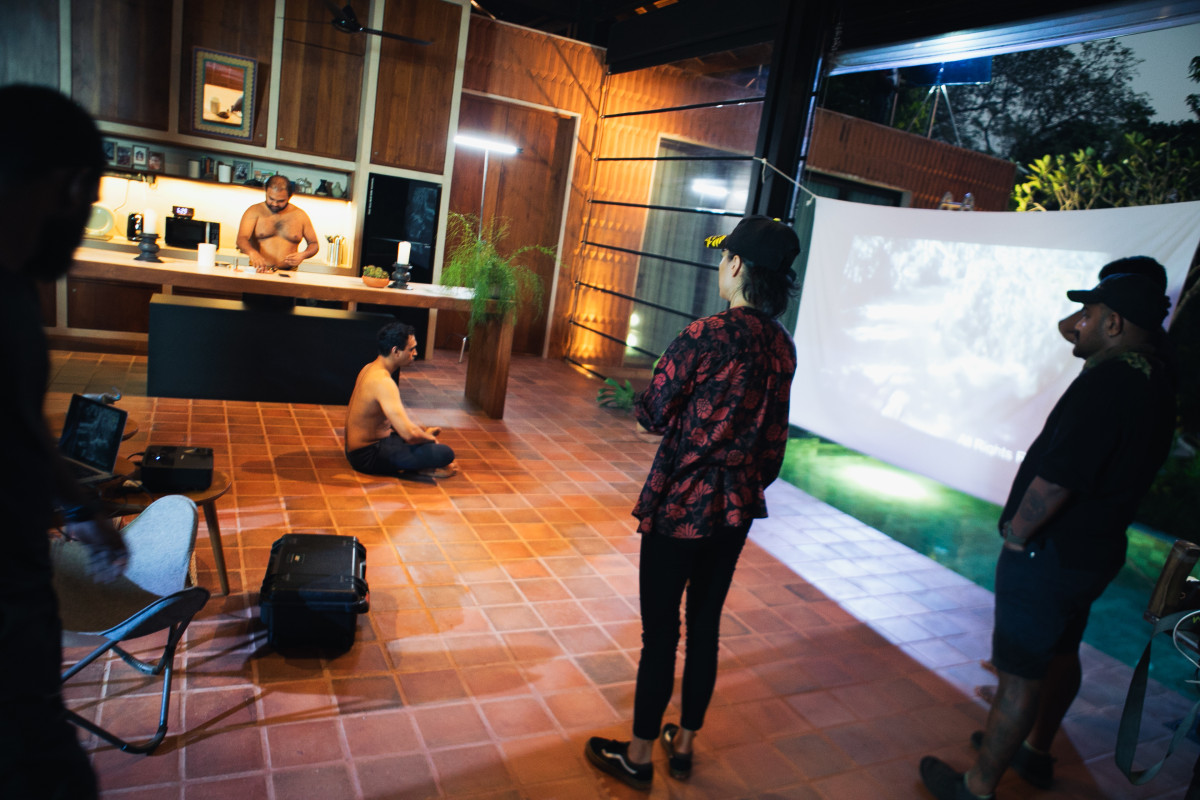
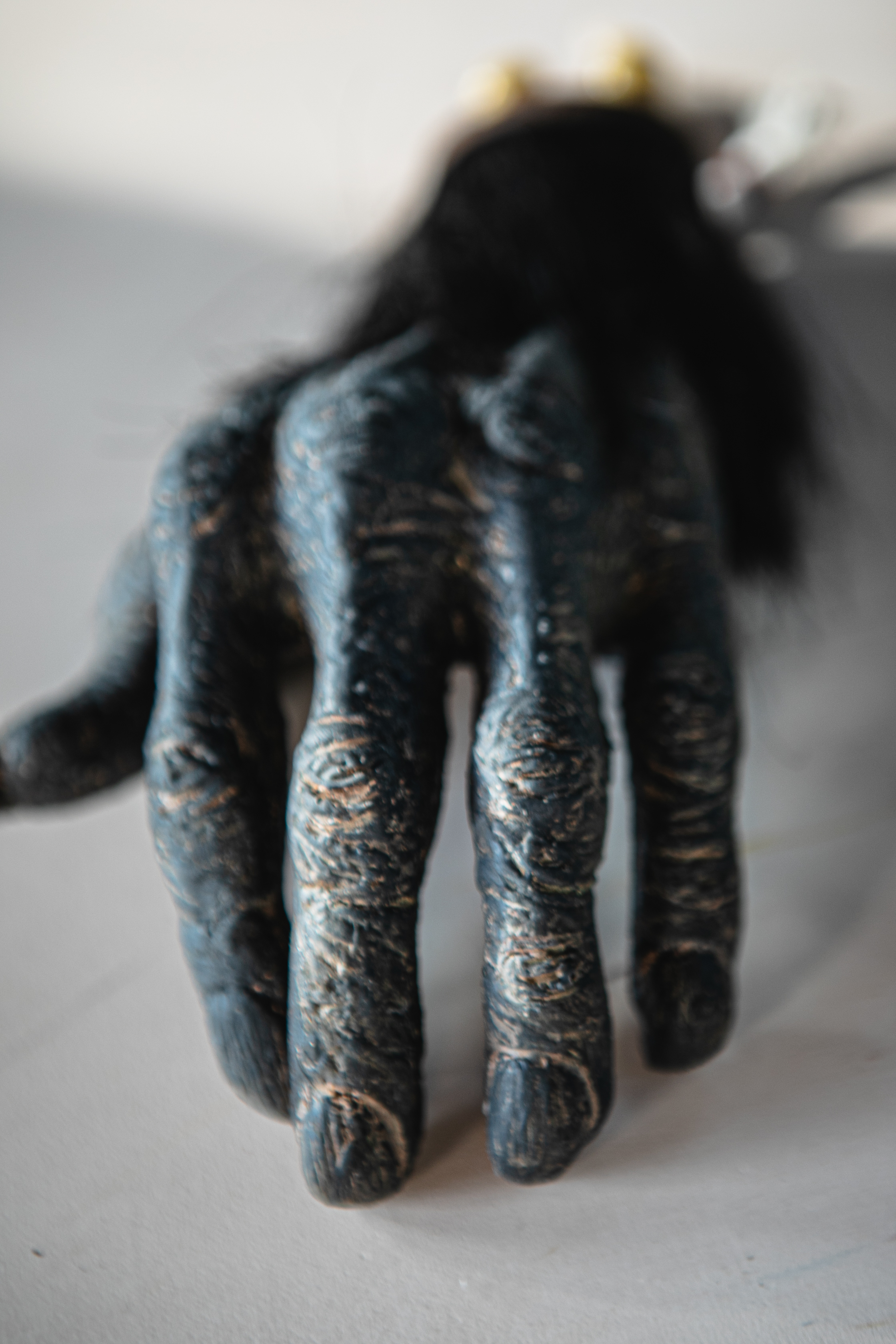
The strength of the dollar meant I could hire the best working crew in the country. The SFX makeup artist was extraordinary, a veteran with decades of experience. The whole crew had a shorthand with one another that only comes from years of working together in a tight-knit industry. I had committed early to doing as much practically as possible, which meant building a physical monkey paw that I could augment with VFX when it needed to move. That paw was the single most expensive line item in the budget and worth every penny.
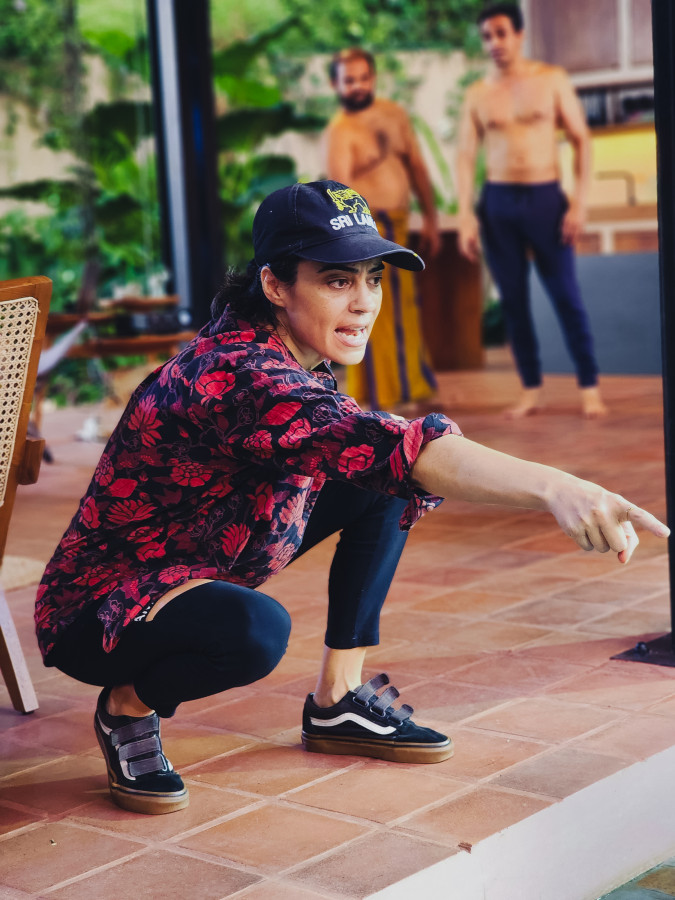
We had one rehearsal day, during which I also shot the family playing together in the garden on a camcorder, knowing I might need a memory sequence to serve as the emotional counterweight to the family falling apart. Then we had two official shoot days and completed 31 shots each day.
If anything was shortchanged, it was the sequence where the little girl comes back to haunt the father. I could have spent an entire 10-hour night shoot on that sequence alone. We really were up all night, which is always its own kind of challenge, and I was never quite able to get everything I wanted. But it works.
One of the things I am most proud of from production is working with a cast and crew in a culture where being queer is not openly accepted. Our story centers on a queer couple, and I genuinely did not know how everyone would respond. They were completely respectful, without exception. There was never a moment of tension. That meant a great deal to me, and it is exactly the kind of inside look at a culture that makes shooting abroad so valuable.
Post-Production
Post took a long time on this one, partly because I was deep in writing Dream of the Holy but also because space ended up serving the film. I came back to cuts with fresh eyes and could finally see what was extra, what was veering into a different theme, what was slowing the action down. That clarity is what made this, I think, my best film to date. There is a simplicity and a directness to the storytelling that my other films do not have.
This was also the first film where I fully took the reins in the editing room. I still worked closely with an assistant editor, but the creative control was mine in a way it had not been before.
The sound design was a revelation. I found a designer, Dan Halma, who is as obsessed with sound as I am, and because he could only work one day a week, we spent about six months slowly building it together. The vision was something subtle and wild at the same time: ancient feeling, with a woven Sri Lankan texture, but also something distinctly modern underneath it all. I love what we made.
Distribution
One of my primary goals for this film is to build a local audience. I am actively submitting to small, local tri-state area film festivals, with the hope of getting in front of the kind of community that will follow my future work. It is less about prestige and more about presence, finding the rooms where the right people are and showing up in them. This strategy is working. Head over to the Screenings section to see if there is a showing near you.